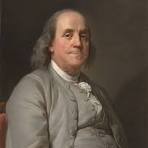
Benjamin Franklin's estate plan included an extraordinary experiment in long-term philanthropy. In his Will, he left £1,000 each to Boston and Philadelphia, with instructions to hold and invest the money rather than spend it immediately.
For the first 100 years, the funds were to be used to make low-interest loans to young tradesmen, including blacksmiths, carpenters and bricklayers. Loan repayments and interest were to be reinvested. Even after the first century, the cities' access to the funds remained restricted. By 1990, the combined gifts had grown from their original $4,000 to more than $6.5 million.
Franklin's plan illustrates several principles that can still inform modern estate planning.
Plan for What Inheritance Should Accomplish
Many estate plans begin with a simple question: Who should receive the assets?
Franklin's approach began somewhere else. He focused on what the money would accomplish. His gifts were intended to promote opportunity, particularly by giving young tradespeople access to capital and encouraging education and self-sufficiency.
Modern estate planning can similarly focus on outcomes. Instead of simply leaving a large sum outright, a person might want an inheritance to support a grandchild's education, help a child establish financial stability, or provide resources while encouraging responsible financial decisions.
A trust can sometimes provide a structure for achieving those goals by establishing terms for how and when assets can be used.
Purpose Can Matter as Much as Distribution
An outright inheritance gives the beneficiary broad control over the property. That may be exactly what the person creating the estate plan wants.
However, when an inheritance has a particular purpose, simply naming a beneficiary may not be enough. Franklin's gifts show the difference between transferring money and designing a system around how that money is used.
The appropriate structure depends on the family's circumstances. However, the underlying question is useful: What do you want this inheritance to accomplish?
Use Time to Protect a Long-Term Goal
Franklin deliberately prevented his beneficiaries from consuming the entire gift immediately. The delay gave the funds time to generate returns and allowed the original capital to continue supporting future beneficiaries.
A modern estate plan does not need a 200-year timetable to use time strategically. A trust might distribute assets gradually, delay access until a beneficiary reaches a certain age, or connect distributions to milestones.
These arrangements can give beneficiaries time to develop financial judgment before receiving full control of an inheritance.
Build Flexibility into the Rules
Franklin's instructions were restrictive. However, they were not designed to dictate every future decision. His plan allowed the cities to administer the funds while imposing boundaries around how the money could be used and when it could be accessed.
That balance can be important in modern trusts. Rules that are too rigid may become impractical as circumstances change. Rules that provide unlimited discretion may fail to preserve the person's original intentions.
A trust can instead give a trustee discretion within defined standards, allowing the plan to adapt without abandoning its purpose.
The Person Managing the Plan Matters
Franklin's experience also demonstrates that a carefully-written plan still depends on the people administering it. Boston and Philadelphia received identical gifts. However, their funds produced substantially different results. The source article attributes the difference in part to how the two cities managed the funds, noting that administration included periods of inefficiency, loan defaults, incomplete records and other problems.
That makes trustee selection an important estate planning decision. The person or institution managing a trust needs to understand the terms, keep appropriate records, make prudent decisions and remain accountable to the beneficiaries and the trust's purpose.
Plan for Human Error
Franklin's plan lasted long enough to encounter changing circumstances and imperfect administration. Modern estate plans should also anticipate that a chosen trustee may eventually be unable or unwilling to serve.
Trust documents can name successor trustees and can also establish procedures for replacing a trustee, provide accountability requirements and give successors enough guidance to understand the creator's intentions.
Planning for these possibilities does not undermine confidence in the person selected. It makes the plan less dependent on everything going exactly as expected.
Turn Your Values into a Lasting Legacy
Franklin's bequests ultimately supported scholarships, vocational education, community projects and civic improvements. The bequests' significance came not merely from the amount of money involved, but from the way the structure kept the money aligned with his broader values.
Modern estate planning can do something similar on a smaller scale. A person can use a trust, charitable gift, or other planning structure to make an inheritance reflect their priorities.
The lesson from Franklin's unusual gifts is that an estate plan does not have to stop at deciding who gets what. With thoughtful design, it can establish how wealth should be used, protected and managed after the person who created it is gone.
Key Takeaways
- Focus on the purpose of an inheritance: Franklin designed his gifts around education, opportunity and productive use of capital rather than simply distributing money.
- Use time strategically: Gradual or milestone-based distributions can allow assets to grow while giving beneficiaries time to develop financial judgment.
- Choose trustees carefully: The different results in Boston and Philadelphia demonstrate that the people administering a plan can affect its long-term success.
- Build for the future: Clear standards, flexibility, accountability and procedures for changing fiduciaries can help an estate plan remain effective as circumstances change.
Reference: Elder Law Answers (Feb. 24, 2026) “Benjamin Franklin's Estate Planning Lessons”