
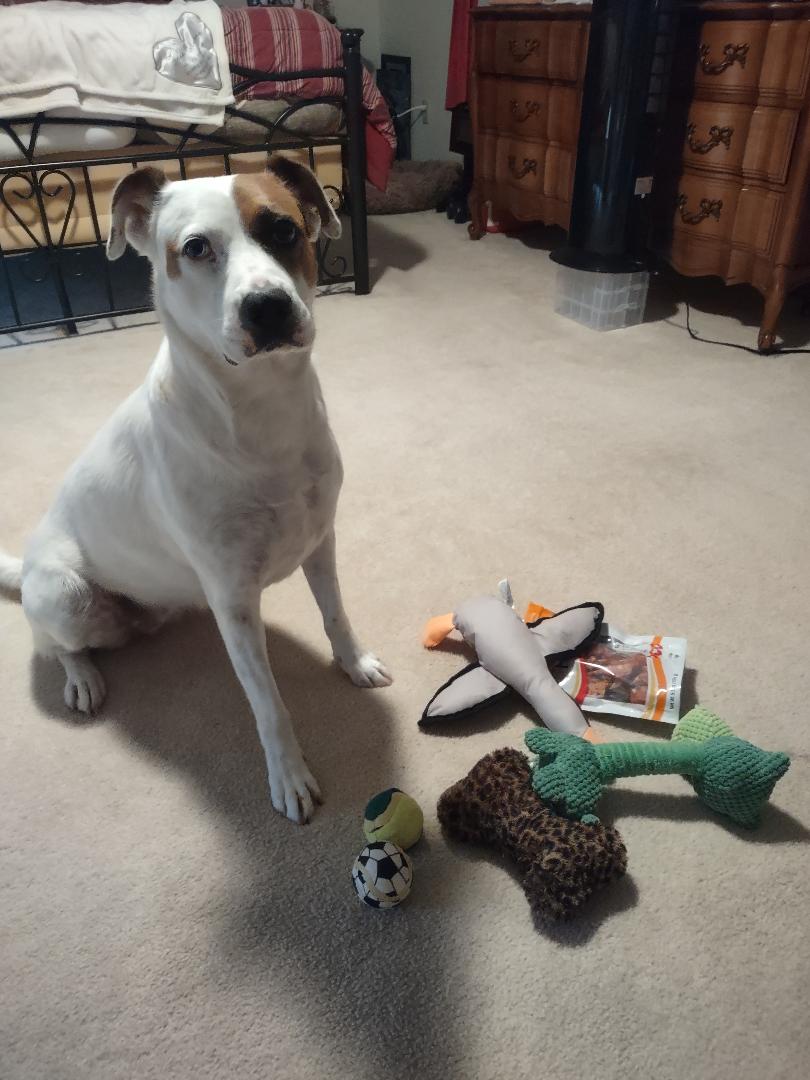
Estate planning often focuses on human beneficiaries. However, for pet owners, a beloved animal’s future can be just as important. While verbal promises or informal arrangements may seem sufficient, they often fall apart in practice. Establishing a pet trust is one of the most reliable ways to ensure that your animal receives consistent care after your death or incapacity.
A pet trust is a legally binding arrangement that provides care and financial support for a pet. It allows the owner (or “Testator”) to designate a caregiver, allocate funds, and specify instructions for the pet’s care. The trust remains in effect for the life of the pet or pets named within it.
A pet trust typically involves three roles: the Testator who creates the trust under their Will, the caregiver and the trustee. The caregiver handles daily care, while the trustee manages funds and ensures that the caregiver follows the trust’s terms. These roles can be held by separate people, or, in some cases, one person may serve both functions. Importantly, appointing an alternate caregiver ensures that the pet's protection in the event the original designee is unavailable. There are a few types of pet trusts, some that do not require a trustee.
An estate planning lawyer can help structure the trust to meet state-specific requirements and to avoid excessive funding, which courts may challenge if the amount appears unreasonable.
Details are critical. Pet owners should describe their pet’s medical needs, preferred food, daily routine and end-of-life wishes. The trust can also outline how leftover funds should be handled after the pet's death, often directing the remainder to a charity or a family member.
If your pet is a long-lived animal, like a parrot or tortoise, consider a longer-term financial plan or even an institutional arrangement for care. The more comprehensive the instructions, the easier it will be for caregivers to maintain continuity in your pet’s life.
Reference: The American College of Trust and Estate Counsel (ACTEC) (April 3rd, 2025) “Pet Trusts Explained: Ensure Your Pet’s Care After You’re Gone”
Free E-Newsletter – Subscribe Now