
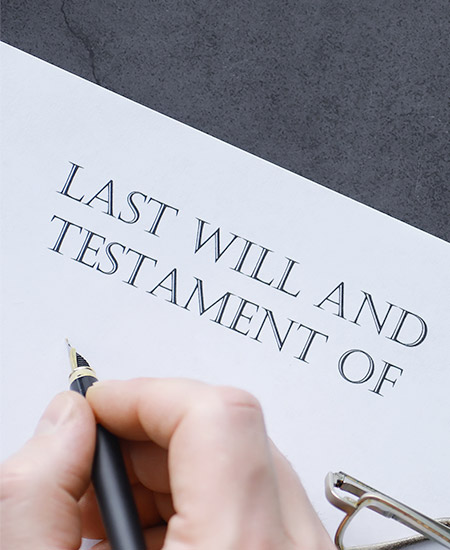
A common scenario: a middle-aged woman dies, leaving behind a home, a retirement account, and beloved family heirlooms. She never prepared a Will or did any estate planning. Her children are consumed with navigating a confusing probate process, fighting over whether or when to sell the house and who will get the jewelry. They are grieving and arguing at the same time.
This is the picture painted by “Four estate-planning myths that could cost your family” from The Vermont Journal. Unfortunately, it is not unusual and could likely have been avoided by consulting with an experienced estate planning attorney.
Myth No. 1:
Estate planning is only for rich people. Not true. Estate planning is for people who want to make things easier for their loved ones. By documenting your wishes, you not only gain control over what happens while you are living and after you have passed, but you also show your loved ones great kindness. Without having an estate plan, your state’s laws will determine what happens to your assets upon your death. Your wishes or your family’s wishes won’t matter, and there won’t be anything to be done about it.
Myth No. 2:
Having a Will is the only estate planning document you need. A Will only takes effect upon your death. It doesn’t provide any protection for incapacity when you are too sick or injured to express your wishes. It is used to name an executor to manage your estate, name a guardian for minor children, and distribute assets, but that’s not enough.
Think of the Will as the foundation of a house. It’s a start. You also need a Financial Power of Attorney, a Healthcare Power of Attorney, and a Living Will. The Financial Power of Attorney appoints a person (Agent) you want to take over your the handling of your finances if you are unable to do so for yourself. The Healthcare Power of Attorney lets someone you name be involved with your medical care and decision-making, again, if you are unable to do so for yoursel
Every person’s estate plan is different, based on their wealth, stage of life, and wishes. If you want to protect a home from future long-term care costs, you may need a trust. If yours is a blended family, a trust may help ensure that stepchildren and biological children receive assets according to your wishes.
Myth No. 3:
Equitable distribution is always fair. Here’s where a lot of estate plans go sideways. If one child is earning six figures and owns two homes and a boat, they are not in the same financial state as their sibling, who is teaching and struggling to pay off college loans. You may have assets more suited for one beneficiary than another. One of your children may be battling substance abuse problems. The circumstance of each child should be considered.
Myth No. 4:
Estate plans are one-and-done tasks. Your estate plan needs the same ongoing upkeep as your home or your car. Estate plans should be reviewed every few years or whenever a major life event takes place. If you relocate to another state, your estate plan may be invalid. If you divorce, you may not want your ex-spouse to receive all of your worldly goods.
An estate plan ensures your wishes are heard and your loved ones are cared for. We don’t know what the future will hold—but we do know you and your family will be well served by a well-prepared estate plan.
Reference: The Vermont Journal (May 16, 2026) “Four estate-planning myths that could cost your family”
Free E-Newsletter – Subscribe Now