
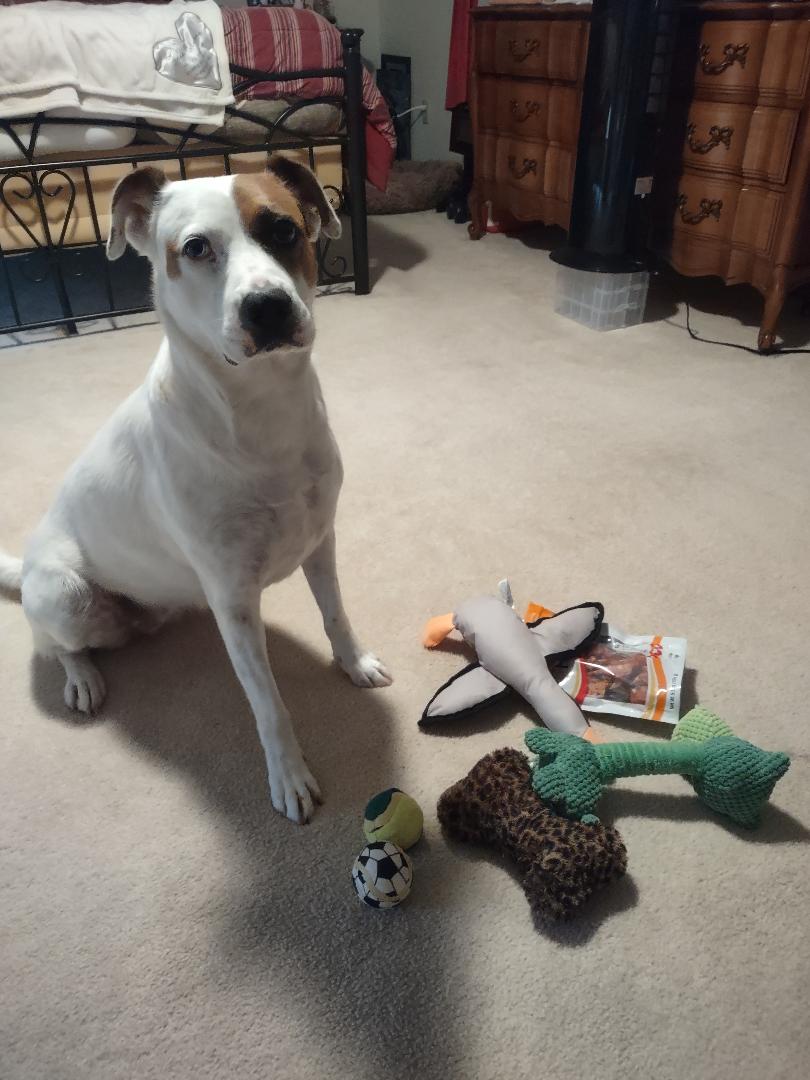
Small dogs are just as likely as babies to be pushed in a stroller, taken to the park, or run errands these days. Owners’ spending on pets was $152 billion in 2025, and the year is not over yet. For owners who want to see their beloved furry kids taken care of after they’ve passed, a pet trust is an option, says a recent article, “’Pet Trusts’ and why wealth managers better not forget about Sparky or Tabby!” from Investment News.
A pet trust is a legal arrangement to allow a person to set aside funds to be used for their pet’s care in case of either death or incapacity. The pet trust includes detailed plans for the pet’s care and designates a person to oversee and manage the trust’s assets for the benefit of the companion animal.
The first step is to consult with an estate planning attorney who has experience drafting pet trusts and ensuring that the pet trust aligns with the rest of your estate plan.
The next part is to choose the right trustee to oversee the finances and a caregiver. They could be the same person. However, it may be wiser to have two separate people in these roles. Discuss the pet trust with them to be sure they are willing to take on this responsibility. If they are not sure, you’ll need to identify someone else and check with them. You ideally want to have two people, so if circumstances change and the first cannot step up, the other will be ready.
Once this is done, your estate planning attorney will need to draft or have you draft detailed instructions for the pet’s care, including health needs, preferences and any special requirements.
Then you’ll need to fund the trust. Many people choose to have a trust for their pet(s) set up under their Will to be funded at the owner's death. You’ll need to have enough funds to cover the pets’ care and arrange for these funds to be placed in the trust. If this step doesn’t happen, the trust won’t work.
If you have pet health insurance, you’ll need to find out if the insurance company will continue to cover costs if you are incapacitated or deceased.
Like an estate plan for a person, a pet trust needs to be reviewed regularly to reflect changes in the pet’s needs and any changes for the trustees and caregivers, ensuring that the trust remains effective and relevant.
There are famous pets whose care after their owners’ deaths has proven to be expensive. Best known is hotel heiress Leona Helmsley, who tried to disinherit most of her family but left $12 million to her dog Trouble. The family went to court, and Trouble ended up with a mere $2 million.
If your family includes furry or feathered friends, speak with an experienced estate planning attorney about how a pet trust could protect them when you are no longer able to do so.
Reference: Investment News (Sep. 16, 2025) “’Pet Trusts’ and why wealth managers better not forget about Sparky or Tabby!”
Free E-Newsletter – Subscribe Now